
In online gambling, success is often misunderstood. Many players equate a lucky win with profitability, while others chase short-term excitement without considering long-term outcomes. In reality, there is a fundamental difference between short-term wins and long-term value, and understanding this distinction is crucial for anyone who wants to approach online casinos strategically rather than emotionally.
As the online gambling industry continues to grow in 2025, players have access to thousands of games, promotions, and bonuses. However, more choice does not automatically mean better results. This article explores how short-term wins differ from long-term value, why most players focus on the wrong metrics, and how informed decision-making can lead to a more sustainable gambling experience.
What Are Short-Term Wins?
Short-term wins are immediate outcomes that occur within a limited timeframe. These can include:
- hitting a big slot payout
- winning a poker tournament
- landing a bonus round early
- doubling a balance in a single session
Short-term wins are emotionally powerful. They trigger excitement, reinforce confidence, and often create the illusion of skill or momentum. However, they are usually driven by variance rather than strategy.
In games based on Random Number Generators (RNGs), short-term outcomes are statistically insignificant. A lucky streak does not change long-term probabilities, yet many players mistakenly adjust their behavior based on recent wins.
Why Short-Term Wins Can Be Misleading
One of the biggest psychological traps in gambling is recency bias — the tendency to give excessive weight to recent results. When players experience a short-term win, they often:
- increase their bet size
- extend session length
- ignore bankroll limits
- chase similar outcomes
This behavior frequently leads to losses over time. Casinos are built on long-term mathematical advantages, not isolated outcomes.
Short-term wins feel rewarding, but they do not indicate whether a game, strategy, or casino is actually favorable in the long run.
Understanding Long-Term Value in Gambling
Long-term value refers to the expected outcome of gambling activity over an extended period. It is influenced by factors such as:
- Return to Player (RTP)
- game volatility
- wagering requirements
- bonus terms
- bankroll management
Players who focus on long-term value analyze the structure behind the game rather than the result of a single session.
For example, a slot with a 97% RTP and low volatility may not produce dramatic wins quickly, but it can offer more consistent gameplay and slower bankroll depletion over time.
Bonuses: Short-Term Boost or Long-Term Tool?
Casino bonuses are often marketed as instant advantages, but their true value depends on how they are structured and used.
While many players chase promotions without reading terms, experienced gamblers evaluate all casino bonuses based on:
- wagering requirements
- eligible games
- maximum bet limits
- withdrawal caps
A large welcome bonus may look attractive in the short term, but if wagering conditions are unrealistic, it provides little long-term value. Conversely, smaller bonuses with transparent terms can significantly improve expected outcomes over time.
This is why understanding bonus mechanics is essential when choosing where to play.
Variance and the Role of Volatility
Variance plays a key role in the difference between short-term and long-term results.
- High-volatility games offer big wins but long losing streaks
- Low-volatility games provide frequent small payouts
Short-term players often gravitate toward high volatility for excitement, while long-term-focused players choose games that align with their bankroll size and risk tolerance.
Neither approach is inherently wrong, but confusing entertainment with profitability leads to poor decision-making.
Bankroll Management as a Long-Term Strategy
Bankroll management is one of the clearest indicators of long-term thinking. Players who manage their funds effectively:
- set session budgets
- avoid chasing losses
- adjust bet sizes logically
- stop playing after reaching limits
Short-term wins are often reinvested impulsively, while long-term value is preserved through discipline.
Even the best games and bonuses cannot compensate for poor bankroll management.
Choosing the Right Casinos for Long-Term Play
Not all casinos are designed with player sustainability in mind. Some platforms emphasize aggressive promotions and fast-paced gameplay, while others focus on transparency and player control.
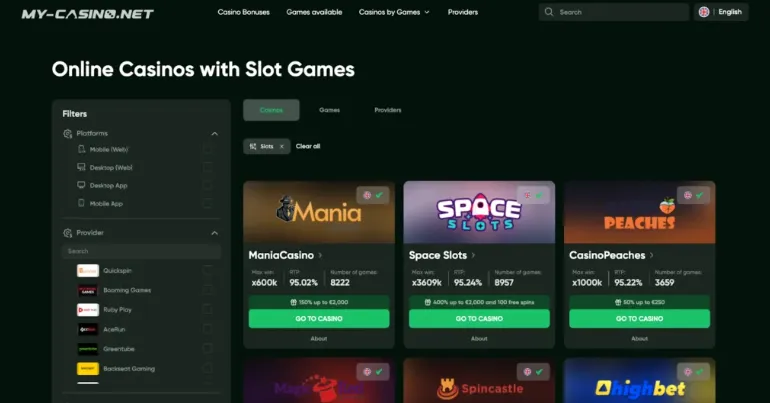
Resources like My-Casino help players identify platforms that support long-term value by offering clear information about RTPs, bonus conditions, and game providers. Having access to structured data allows players to compare casinos beyond surface-level marketing claims.
Emotional Control vs. Mathematical Reality
Short-term wins often create emotional attachment. Players may feel “on a roll” or believe a game is “hot.” Long-term value, however, exists purely in mathematical reality.
Successful long-term players:
- separate emotion from outcome
- evaluate performance objectively
- accept losses as part of variance
- view gambling as entertainment, not income
This mindset shift is essential for sustainable play.
Entertainment Value Still Matters
Long-term value does not mean eliminating fun. Instead, it means understanding the cost of entertainment.
Players who recognize the difference between excitement and expectation enjoy gambling more responsibly. They play longer, experience less stress, and avoid the frustration that comes from unrealistic goals.
Conclusion
The difference between short-term wins and long-term value in online gambling lies in perspective. Short-term wins are emotionally satisfying but statistically insignificant, while long-term value is built through informed decisions, discipline, and understanding of game mechanics.
By evaluating RTPs, bonus structures, volatility, and casino transparency — and by using reliable platforms such as My-Casino — players can move beyond chasing luck and toward a more balanced, sustainable gambling experience.
In 2025, the smartest players are not those who win the fastest, but those who understand the value of playing wisely over time.