
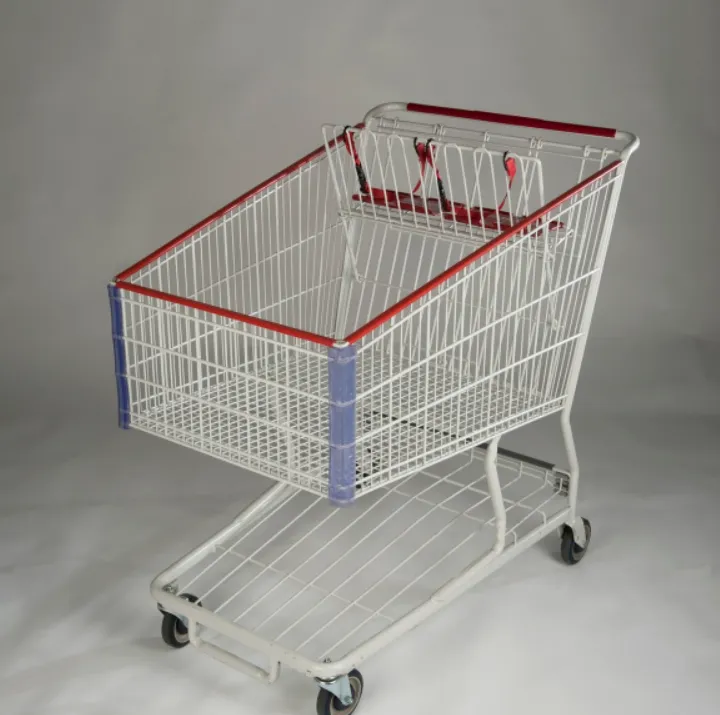
Shopping carts are essential equipment in retail stores, supermarkets, warehouses, and even hospitality businesses. One of the most overlooked yet critical components of these carts is the wheels. Over time, constant load, friction, and environmental exposure can cause wear and tear. This raises an important question for business owners and facility managers: how often should you do shopping cart wheel replacement?
The answer is not fixed, but depends on usage frequency, load weight, surface conditions, and maintenance practices. In general, most retail environments should consider replacing wheels every 12 to 24 months. However, in high-traffic stores, replacement may be needed sooner.
This article explores the ideal replacement timeline, warning signs of wear, and maintenance tips to extend wheel lifespan.
Why Shopping Cart Wheels Wear Out Over Time
Before understanding the timing of shopping cart wheel replacement, it is important to know why wheels degrade in the first place.
Shopping cart wheels are exposed to continuous stress. A typical supermarket cart may travel up to 7–10 kilometers per day inside a busy store. Multiply that by hundreds of carts, and the wear becomes significant.
Key factors that contribute to wheel damage include:
- Heavy loads: Overloaded carts increase pressure on wheel bearings.
- Floor conditions: Rough tiles, outdoor pavements, or uneven surfaces accelerate damage.
- Moisture and chemicals: Cleaning agents can degrade rubber or polyurethane materials.
- Lack of maintenance: Dirt buildup and lack of lubrication reduce wheel efficiency.
Studies from retail maintenance surveys suggest that nearly 60% of cart-related service complaints are wheel-related, making shopping cart wheel replacement one of the most common maintenance tasks in retail operations.
How Often Should Shopping Cart Wheel Replacement Be Done?
The ideal frequency of shopping cart wheel replacement depends on usage intensity. Here is a general guideline:
1. Low-traffic stores (rural shops or small retail outlets)
- Replacement cycle: every 24–36 months
- Reason: lighter usage and fewer daily cart movements
2. Medium-traffic supermarkets
- Replacement cycle: every 12–24 months
- Reason: consistent daily use and moderate load stress
3. High-traffic hypermarkets and malls
- Replacement cycle: every 6–12 months
- Reason: heavy continuous use, often exceeding 500 cart movements per day
In practice, many large retailers adopt a preventive maintenance schedule where 25% of carts undergo wheel inspection every quarter. This ensures that shopping cart wheel replacement is done before complete failure occurs.
Signs That Indicate You Need Shopping Cart Wheel Replacement
Instead of relying only on time intervals, it is important to recognize physical warning signs. Delaying replacement can lead to customer dissatisfaction and safety risks.
1. Excessive noise during movement
Squeaking, grinding, or rattling sounds often indicate worn-out bearings or uneven wheel surfaces.
2. Difficulty in steering
If carts pull to one side or feel stiff, it is a strong sign that shopping cart wheel replacement is needed.
3. Visible cracks or flat spots
Rubber degradation or flat spots from constant pressure reduce smooth rolling efficiency.
4. Loose or wobbly wheels
This can make carts unstable, increasing accident risk inside stores.
5. Increased floor damage
Worn wheels may leave marks or scratches on flooring, leading to additional maintenance costs.
Benefits of Timely Shopping Cart Wheel Replacement
Performing shopping cart wheel replacement on time offers multiple advantages for retail operations:
Improved customer experience
Smooth-moving carts make shopping more comfortable and reduce frustration.
Reduced maintenance costs
Replacing wheels early prevents damage to cart frames, which are significantly more expensive to repair.
Better safety standards
Proper wheels reduce the risk of accidents, especially in busy aisles.
Increased operational efficiency
Staff spend less time fixing carts and more time focusing on customer service.
Research in retail facility management shows that stores that follow scheduled wheel replacement programs reduce cart-related complaints by up to 40%.
Maintenance Tips to Extend Wheel Lifespan
While regular shopping cart wheel replacement is necessary, proper maintenance can extend the lifespan of wheels significantly.
Regular cleaning
Remove dirt, hair, and debris from wheels at least once every two weeks.
Lubrication
Apply light machine oil or silicone spray every 3–6 months to reduce friction.
Weight management
Avoid overloading carts beyond their designed capacity, typically 100–150 kg depending on model.
Routine inspections
Monthly checks help identify early signs of damage and reduce emergency replacements.
By combining maintenance with scheduled replacement, businesses can reduce wheel failure rates by up to 30–50%.
Cost Considerations of Shopping Cart Wheel Replacement
The cost of shopping cart wheel replacement varies depending on material and quality. On average:
- Basic rubber wheels: low cost but shorter lifespan
- Polyurethane wheels: medium cost with better durability
- Heavy-duty industrial wheels: higher upfront cost but longest lifespan
Although premium wheels may cost 20–40% more initially, they often last twice as long, making them more cost-effective in the long run.
Conclusion
So, how often should you do shopping cart wheel replacement? The answer depends on usage level, but most businesses should aim for a cycle between 6 and 24 months. Instead of waiting for complete failure, proactive inspection and maintenance ensure smoother operations, improved customer satisfaction, and reduced long-term costs.
By monitoring wear signs and following a structured replacement schedule, retailers can significantly extend the life of their carts while maintaining a high-quality shopping experience.
Ultimately, consistent attention to shopping cart wheel replacement is not just maintenance—it is an investment in customer experience and operational efficiency.